


Once seen as heavy energy users, data centres are now emerging as unlikely allies in building a cleaner and more flexible energy future. By rethinking infrastructure, integrating energy planning, and embracing flexibility, they have the potential to accelerate both digital innovation and climate goals.
As demand for cloud services accelerates, data centres are evolving from peripheral infrastructure into a core pillar of both economic growth and energy strategy.
Traditionally viewed as highly energy-intensive consumers, data centres are now being reconsidered as active participants in the energy ecosystem. The guiding question of the subtrack ‘Data Centres & Cloud Infrastructure’ asks how these facilities can evolve into flexible, resilient, and low-carbon building blocks within modern energy systems. This shift in perspective is critical if digital expansion is to remain compatible with climate goals.
A key theme is the planning of energy infrastructure that is not only fast to deploy but also robust and environmentally responsible. “Time to power” is emerging as a decisive competitive factor, particularly in regions experiencing rapid data centre growth. Ensuring that new facilities can be connected quickly without compromising sustainability or grid stability is a complex but essential task.
Bridging the gap between energy and infrastructure
Another important discussion point addresses the persistent disconnect between energy and infrastructure planning in many data centres. Too often, these elements are treated separately, leading to inefficiencies and missed opportunities. Integrating energy considerations directly into infrastructure design can unlock new levels of performance, resilience, and cost-effectiveness.
Flexibility is also at the heart of the conversation. Data centres have significant potential to support demand response and grid balancing by adjusting their energy consumption patterns. By operating in a more grid-friendly manner, they can help stabilise energy systems, particularly as renewable energy sources introduce greater variability.
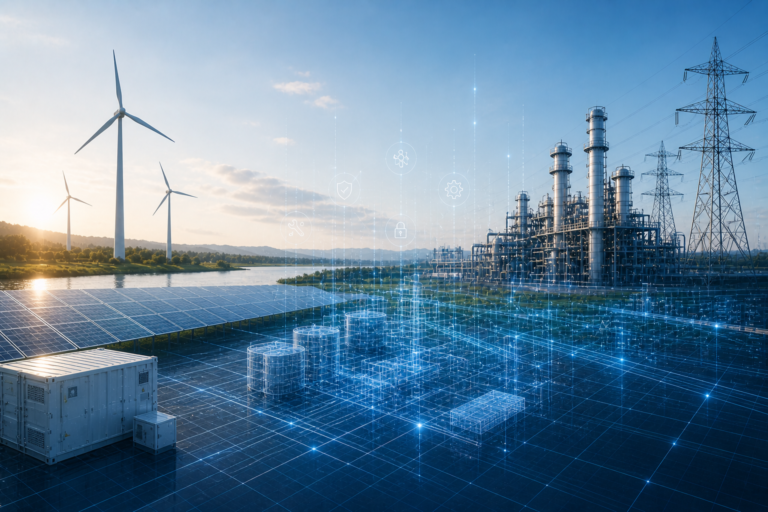
Technological solutions such as on-site generation, energy storage, microgrids, and advanced backup systems are increasingly relevant. These assets can be intelligently integrated into the broader energy system.
The session aims to redefine the role of data centres from passive consumers to proactive enablers of a clean, fast, and reliable energy future.
Key Question:
How can data centres transform from energy-intensive consumers into active components of resilient, flexible and low-carbon energy systems?